


Brief:
A story of design by design
Mastery of form, proportions and materials.
The Challenge
Jaguar Design Story - Visual assets told from a
design studio perspective
The automotive process was captured from behind the scenes.
Telling the story of Jaguar design from a designer's perspective. The work focused on the creative development cycle of an automobile.
The photography closely followed the design process of:
-
Surface development
-
material quality
-
luxury experience
-
artistic execution
Assets used for commercial, print and brand communications, highlighting the value that design brings to the entire brand experience.


.jpg)

The Approach
To approach visual assets from the perspective
of the Design studio and help set a visual direction for future brand communications.
Image Creation
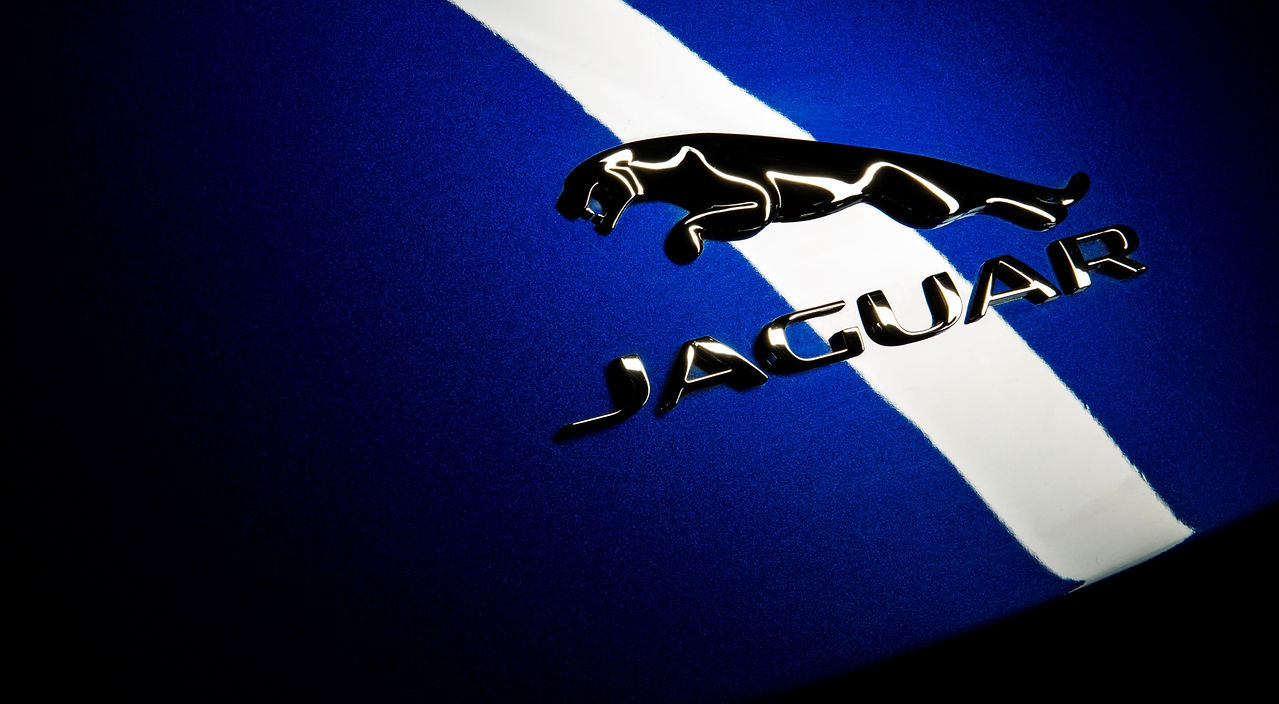
Using a controlled studio environment, the photography explored how light interacts with complex surfaces, how forms transition and resolve, and how material quality supports the overall design intent. Precision lighting and composition were used to reflect the same level of care and discipline found in the vehicle design process itself.
The result was a set of high-fidelity visual assets that communicate design quality, craftsmanship, and intent with clarity and control.
Automotive design is defined by subtlety. Small changes in surface tension, curvature, or material transition carry significant meaning, yet these details are often lost in conventional automotive photography, where speed, environment, or narrative take precedence.
The challenge was to:
-
reveal form without distortion
-
use light to describe, not dramatise
-
communicate quality without embellishment
This required a level of control and precision aligned with the standards of the design discipline. Studio-controlled lighting was used to precisely manage reflections, gradients, and shadow falloff across painted and material surfaces.
Editing & Consistency
Post-production prioritised accuracy and fidelity. Tonal balance, colour, and contrast were carefully managed to preserve material truth and surface intent, avoiding stylisation or visual effects.
Summary
This project demonstrates how automotive photography, when approached from a design-led perspective, can function as a visual extension of the design discipline.
By prioritising control, precision, and clarity, the imagery supports an understanding of form, material, and intent — without relying on narrative or spectacle.